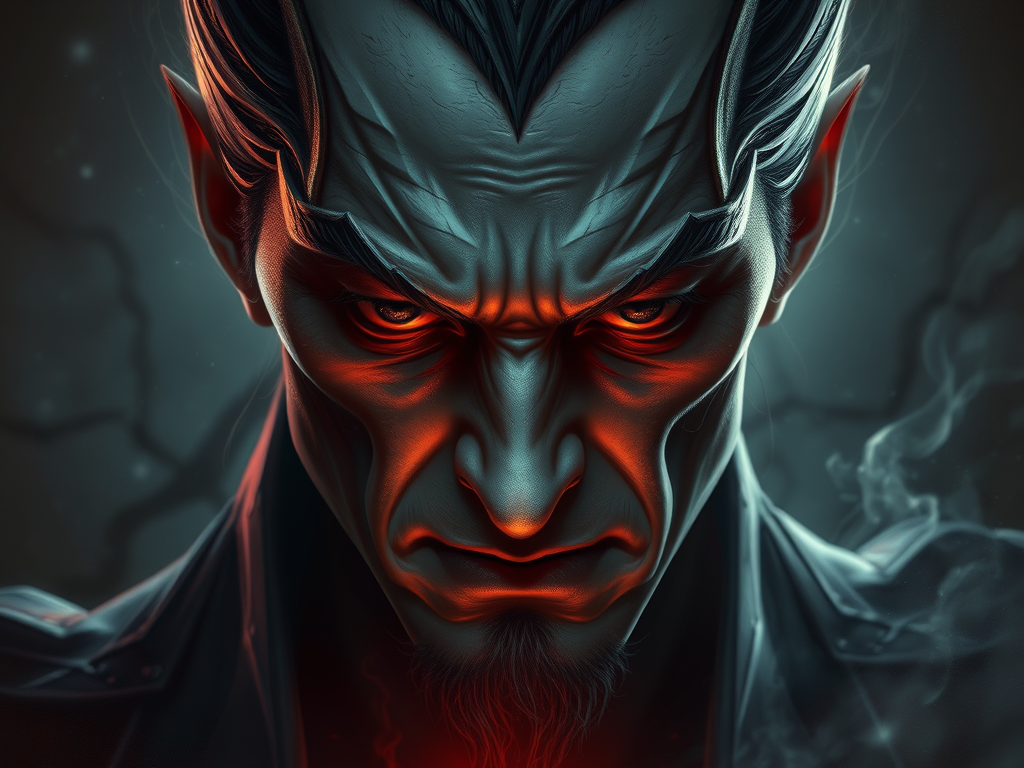
A great villain isn’t just evil for evil’s sake—they’re complex, driven by believable motivations, and often rooted in psychological depth. Understanding the psychology of a great villain can transform your story, turning them into a character readers love to hate. Here are three key elements to consider when crafting a compelling antagonist.
1. Believable Motivations
A well-crafted villain believes they are the hero of their own story. Their motivations should be clear and relatable, even if their methods are extreme. For example, a villain seeking revenge for a personal loss may evoke empathy, even as they leave chaos in their wake. These motivations create a layered character who feels real and challenges readers to question morality.
2. Personal Flaws and Vulnerabilities
The psychology of a great villain involves more than their strength—it’s also about their weaknesses. Personal flaws, insecurities, or fears make them relatable and human. Perhaps they’re driven by a fear of failure, a need for validation, or a traumatic past. These vulnerabilities allow readers to see the antagonist as more than just a one-dimensional threat.
3. A Tangible Threat
To make your villain truly unforgettable, they must pose a credible threat to the protagonist. This could be through their intellect, physical prowess, or ability to manipulate others. A villain’s power combined with their psychological depth ensures they remain a formidable force throughout your story.
Final Thoughts
A great villain is the backbone of compelling conflict. By focusing on their motivations, vulnerabilities, and tangible threat, you’ll create an antagonist who not only drives the story but also lingers in readers’ minds long after the final page.

Support Our Work
Any donations made will go toward paying authors in our future publications. Thank you!
$10.00